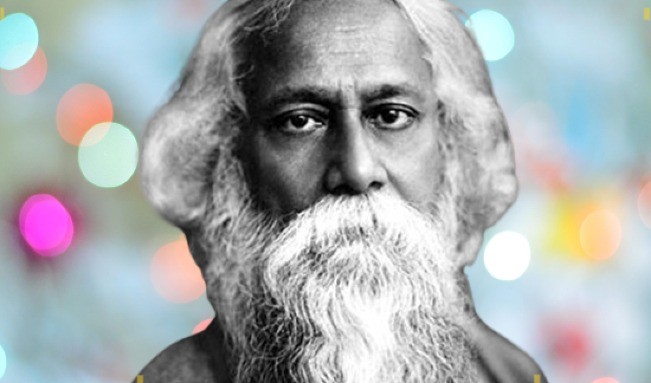
Rabindranath Tagore Biography
Rabindranath Tagore was one of India’s greatest cultural icons and a towering figure in world literature. Known as the Bard of Bengal, he was a poet, writer, philosopher, composer, and thinker whose ideas and creations reshaped modern Indian literature and thought.
Quick Bio / Wiki
| Field | Details |
| Birth Name | Robindronath Thakur |
| Popular Names | Gurudev, Kavi Guru, Bard of Bengal |
| Nickname | Rabi |
| Profession | Poet, Writer, Philosopher, Composer |
| Date of Birth | 7 May 1861 |
| Birthplace | Jorasanko Thakur Bari, Kolkata |
| Date of Death | 7 August 1941 |
| Age (at death) | 80 Years |
| Nationality | British Indian |
| Literary Movement | Bengali Renaissance |
| Famous For | Gitanjali, Rabindra Sangeet |
| Major Award | Nobel Prize in Literature (1913) |
Life & Literary Journey
Rabindranath Tagore Biography grew up in a culturally rich environment that nurtured his creative spirit. Although he did not complete formal schooling, his education came through reading, travel, and deep observation. He began writing at an early age and went on to create poetry, novels, short stories, essays, and songs that explored humanity, freedom, love, and spirituality.
Major Contributions

Tagore’s literary legacy includes celebrated novels such as Gora, Ghare Baire, and Chokher Bali, along with timeless short stories like Kabuliwala and Atithi. His poetry collection Gitanjali earned him global recognition and the Nobel Prize in Literature in 1913, making him the first non-European laureate.
Beliefs & Philosophy
Tagore believed in humanism over ritual and freedom of thought over rigid traditions. His philosophy drew inspiration from the Upanishads, Baul traditions, and thinkers like Kabir and Buddha. He saw the divine not in institutions, but in humanity itself.Rabindranath Tagore Biography
Personal Life
Rabindranath Tagore was married to Mrinalini Devi and was the father of five children. Personal joys and tragedies deeply influenced the emotional depth of his literary works.
Legacy
Rabindranath Tagore’s influence continues to live on through literature, music, education, and culture. His compositions include the national anthems of India and Bangladesh, and institutions, festivals, and landmarks across the world bear his name.
Rabindranath Tagore – Major Contributions
Rabindranath Tagore made lasting contributions across literature, education, art, and social thought. Through his poetry, stories, and essays, he transformed Bengali literature by introducing emotional depth, simplicity, and universal themes that connected Indian writing to a global audience.
His musical legacy is equally remarkable. Two of his compositions — “Jana Gana Mana” and “Amar Shonar Bangla” — later became the national anthems of India and Bangladesh, a rare honour that reflects the reach of his creative influence beyond borders.
Tagore also reshaped the idea of education in India by founding Visva-Bharati University, where learning was designed to be open, creative, and rooted in cultural exchange rather than rigid classroom methods.
Beyond writing and teaching, Tagore was a gifted visual artist. He created thousands of paintings and sketches, often experimenting freely with form and expression to reflect nature, spirituality, and inner human emotions.
While deeply connected to India’s freedom movement, Tagore believed in a broader human identity. He warned against narrow nationalism and consistently promoted values such as global harmony, mutual respect, and universal humanity, ideas that remain relevant even today.
Question & Answer (FAQ)
What were Rabindranath Tagore’s major contributions?
Rabindranath Tagore made significant contributions to literature, education, music, art, and social thought. His work reshaped Bengali literature and gave Indian culture a global identity.
How did Rabindranath Tagore influence literature?
Tagore transformed Bengali literature through poetry, novels, and short stories that focused on human emotions, freedom, love, and spirituality. His lyrical writing style earned him worldwide recognition.
Which national anthems were written by Rabindranath Tagore?
Rabindranath Tagore wrote “Jana Gana Mana”, the national anthem of India, and “Amar Shonar Bangla”, the national anthem of Bangladesh.
What was Rabindranath Tagore’s contribution to education?
He founded Visva-Bharati University, where education emphasized creativity, cultural exchange, and learning through real-life experiences rather than rigid classroom systems.
Was Rabindranath Tagore also an artist?
Yes, apart from writing, Tagore was a talented visual artist. He created thousands of paintings and drawings that explored themes of nature, spirituality, and human emotions.
What were Rabindranath Tagore’s views on nationalism?
Although he supported India’s cultural awakening, Tagore criticized narrow nationalism. He believed in universal human values and promoted global peace, unity, and mutual understanding.
Why is Rabindranath Tagore still relevant today?
Tagore’s ideas on humanity, education, freedom of thought, and global harmony continue to inspire people across the world, making his legacy timeless.
